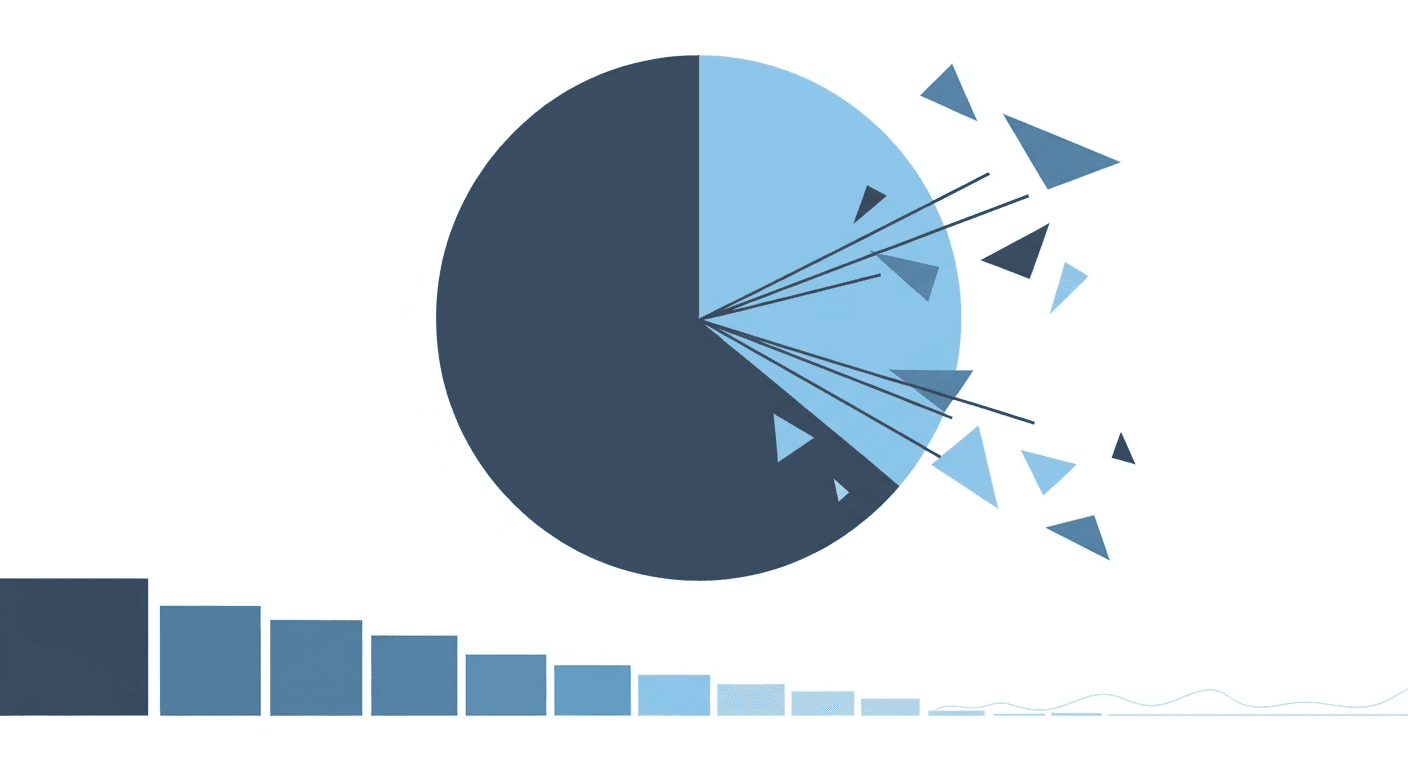
Urgency as indicator for lack of planning
The quarter is closing. Pipeline is short. The forecast looks shaky. Leadership is asking questions. Everyone feels it—the pressure to perform, to deliver, to make the number.
Meetings multiply. Slack is relentless. People cancel vacations. The team pulls together. Late nights. Weekend calls. Whatever it takes.
And then—you make it. The number lands. Relief. Maybe even pride. You survived another quarter.
This is what high performance looks like, right?
No. This is what poor planning looks like.
Urgency feels like commitment. Like intensity. Like you're in the arena, giving everything. But most urgency isn't earned. It's manufactured—by short-term thinking dressed up as ambition.
Short-term pressure is tangible. It screams. Long-term consequences are abstract—easy to rationalize, postpone, ignore. So we optimize for what screams. Quarter after quarter after quarter.
Here's what I've noticed: when I think three steps ahead, urgency rarely shows up. Problems get addressed before they escalate. Trade-offs get made before they become crises. But foresight doesn't get celebrated. Nothing dramatic happened—because you prevented it.
The best leaders I've worked with move differently. They carry urgency—but it's calmer. More purposeful. Urgent about the long game, not the quarter in front of them. Their teams don't need heroics, because someone was thinking ahead.
Chronic urgency isn't intensity. It's a signal that the system can't see past the next 90 days.
If everything is urgent, nobody looked ahead.