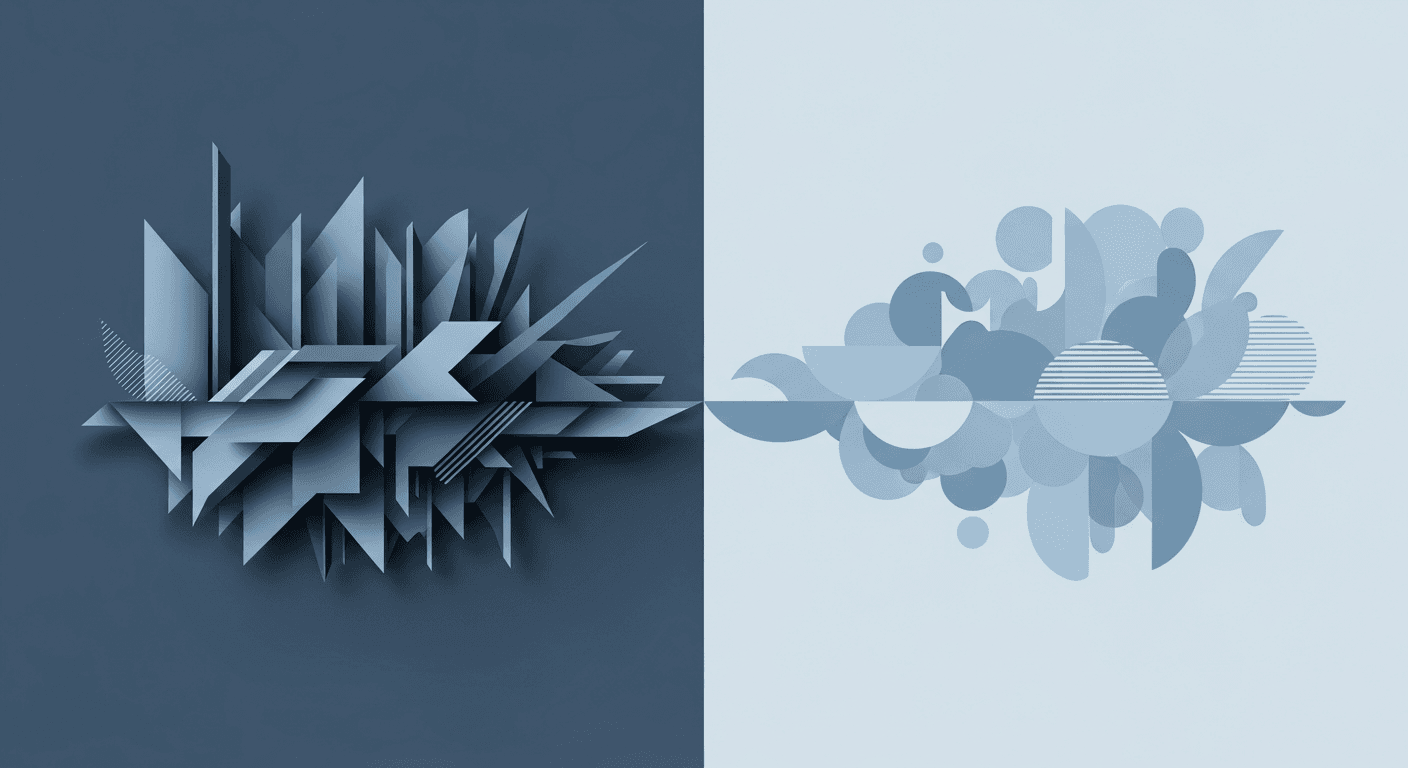
High-performance and serenity
High-performance and serenity almost sound like pure opposites. One implies intensity, drive, relentless execution. The other suggests calm, patience, maybe even slowness. Most people assume you pick one.
But the highest-performing teams I've worked with weren't frantic. They were calm. Focused. Almost eerily composed under pressure. And that wasn't despite their performance—it was the reason for it.
Here's the pattern I keep seeing: short-term speed kills long-term velocity.
You could fix that bug yourself in 20 minutes. Or you could pair with the junior engineer and it takes two hours. The first feels productive. The second is productive—because next time, you're not the bottleneck. Teaching compounds. Doing it yourself doesn't.
You could skip the coffee chat, the hallway conversation, the "unproductive" time building relationships. But when you need cross-functional alignment on something complex, those relationships are the infrastructure. Trust compounds.
You could fill every hour with execution. Or you could protect time for learning—exploring adjacent domains, following curiosity, building range. When the next ambiguous problem lands, you'll have the mental models to navigate it. Knowledge compounds.
Serenity isn't the absence of ambition. It's the discipline to invest in things that pay off later. Relationships. Teaching. Learning. Thinking. These don't show up in this week's metrics. They show up in next year's outcomes.
The contradiction dissolves once you zoom out.